
TMJ & Jaw Pain Treatment in Westlake Village, CA
Eat, Talk, and Wake Up Without Thinking About Your Jaw.
You wake up with a sore, tight jaw. Opening wide to take a bite or yawn has started to hurt, and the clicking has you worried. Our TMJ treatment in Westlake Village starts by finding where the pain actually comes from, the joint, the chewing muscles, your teeth, or a grinding habit, before choosing how to treat it.
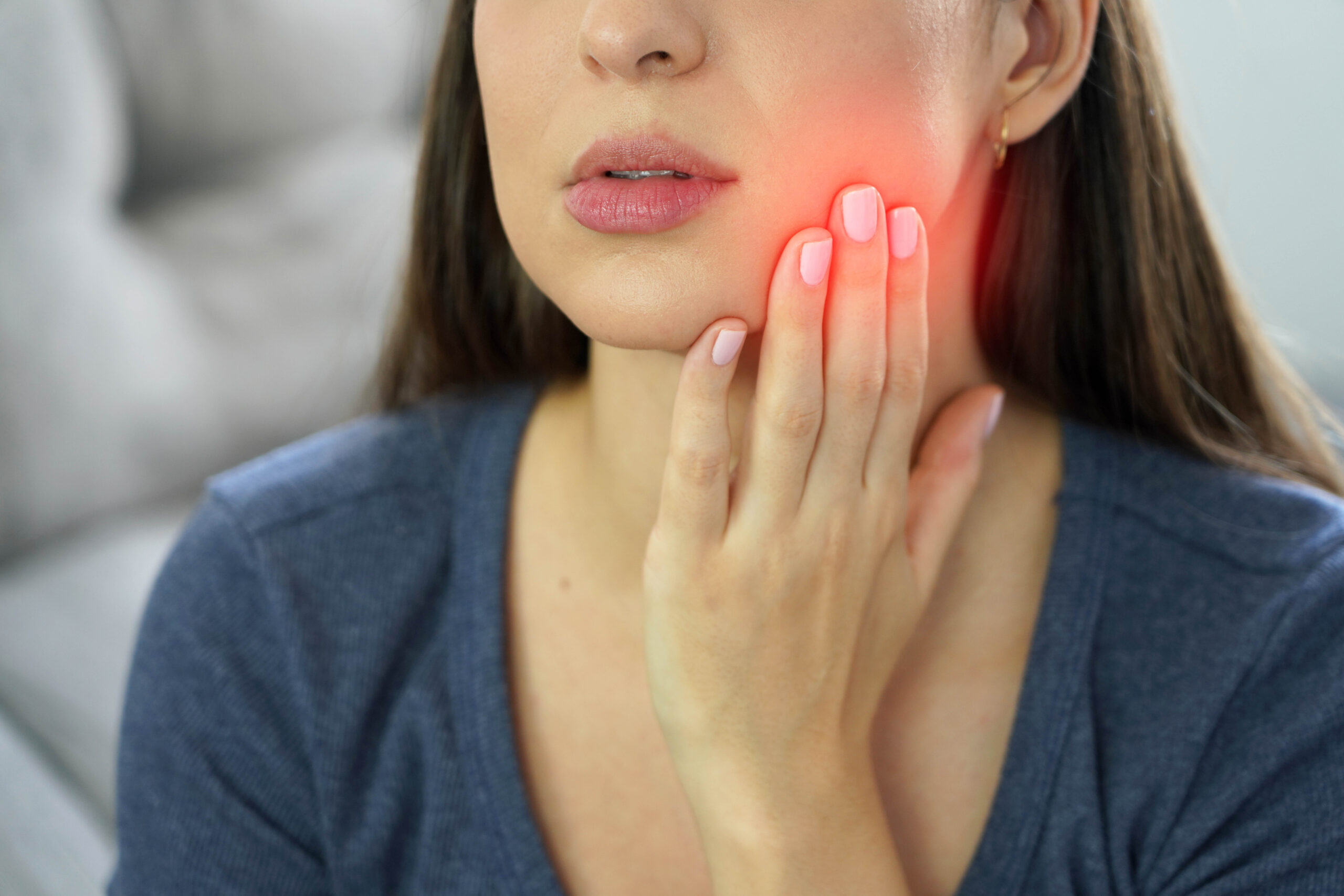
What Is TMJ?
TMJ stands for the temporomandibular joint, the hinge on each side of your face that connects your lower jaw to your skull just in front of your ears. When people say they "have TMJ," they usually mean a TMJ disorder (TMD), a problem with that joint, the chewing muscles around it, or both. TMD can cause jaw pain, clicking or popping, limited opening, headaches near the temples, and aching in or around the ear. Common causes include clenching or grinding, daily stress, arthritis in the joint, and injury.
Jaw pain can come from more than one place, so the cause decides the treatment.
Signs of a TMJ Disorder
The most common signs of a TMJ disorder are pain in the jaw joint or chewing muscles, a jaw that feels tight or tired when you wake up, and clicking or popping that comes with pain.
Other signs include:
- Trouble opening your mouth wide, or a jaw that catches or locks
- Headaches near the temples
- Aching in or around the ear without an ear infection
- A jaw that shifts to one side when you open and close
- Worn or sensitive teeth from grinding
Clicking without pain is common and often needs no treatment by itself. Pain, locking, or limited movement is the signal to get it checked.
Is TMJ Permanent?
No. Most TMJ disorders improve with conservative care and don't lead to lasting joint damage.
Many flare-ups ease within weeks once the cause, such as nighttime grinding or stress-related clenching, is addressed. Treatments that permanently change your bite or jaw are rarely the right first step.
What Brings Patients In
Not every jaw concern starts with pain. Sometimes it starts with how the teeth fit together. Matt S. from Thousand Oaks came in knowing his crowded teeth could cause more trouble with age. "I knew from previous talks that the crowding, as I grew older, would become more and more problematic," he said.
Dr. Looyzadeh walked him through every step of Invisalign® treatment before it began, so he knew what to expect. The result showed up in more than his bite. "I do find myself smiling more," Matt said. "I have no problem laughing and smiling in front of my friends."
How TMJ Treatment Works
- Talk through your symptoms. Dr. Melina reviews when the pain happens, what triggers it, and your medical history.
- Examine and scan. She checks your jaw muscles and movement, and an in-office CT scan shows the joint itself.
- Find the source. You'll know whether the problem is muscular, joint-related, dental, or tied to grinding.
- Start conservative care. Treatment begins with reversible options, such as a custom night guard and ways to relax the jaw muscles.
Why Westlake Village Dentist for TMJ Treatment
Dr. Melina Looyzadeh, DDS graduated with honors from the USC Herman Ostrow School of Dentistry in 2010 and has nearly 17 years of experience. She treats conservatively and explains every finding simply and honestly, so you understand the cause before you agree to any treatment.
The in-office CT scan shows the joint without a referral elsewhere. If your symptoms point to an ear, sinus, or medical cause, she'll tell you plainly and point you to the right provider.
What Our Patients Say
Westlake Village Dentist holds a 4.9-star rating across 190+ Google reviews from patients in Westlake Village, Thousand Oaks, and Agoura Hills.
Frequently Asked Questions
Not always. Clicking without pain is common and often needs no treatment, but clicking with pain, catching, or trouble opening is worth an exam.
You might be. Many people grind in their sleep without realizing it. A sore jaw or headache on waking, flattened teeth, and sensitivity are common signs.
No. A custom night guard is removable and doesn't move your teeth or reshape your bite. It cushions the teeth and lets the jaw muscles relax while you sleep.
Rarely. Most TMJ disorders improve with conservative, reversible care such as a night guard and habit changes. Surgery is reserved for a small number of severe joint problems.
Yes. Westlake Village Dentist evaluates and treats jaw pain and accepts all PPO plans. You'll get a written cost breakdown before treatment, and Cherry financing is available.
Stop Planning Your Day Around Your Jaw
You shouldn't have to cut your food small, brace before a yawn, or wake up with a headache every morning. Dr. Melina will find what's actually making your jaw hurt and start with the simplest care that can calm it down. Book a visit and get back to eating, talking, and sleeping without thinking about your jaw.